

Did you know many female athletes see their performance drop during their period? As a female athlete, keeping up with your training routine can be tough. It's key to know how your body changes with your menstrual cycle to perform better.

Your energy, endurance, and recovery might change during your period. Knowing these changes helps you adjust your training for top performance. This article will share important tips and insights for exercising during your period, helping you manage this natural part of being an athlete.
Understanding Your Menstrual Cycle and Athletic Performance
To reach your full physical ability, knowing your menstrual cycle is key. It has different phases, each with its own hormone levels. These hormones can change how you feel, from energy to strength.
In the follicular phase, estrogen goes up, which can boost your performance. But, the luteal phase brings more progesterone, which might make you feel tired.
Knowing these hormone changes helps you train better. For example, you might do intense workouts when estrogen is high. This is when you have more energy.
By understanding your cycle, you can improve your workouts. This way, you can always perform at your best. It's all about planning your training to match your body's natural rhythms.
The Science Behind Hormonal Fluctuations and Physical Ability
It's important to know how hormonal changes affect sports performance. Your body's hormones change a lot during your menstrual cycle. These changes can affect how well you can perform physically.
Estrogen and progesterone are two main hormones that matter for sports. Estrogen helps with muscle strength and recovery, often at its highest during the first part of your cycle. Progesterone, on the other hand, can make you feel tired and affect your body temperature.
Impact on Muscle Strength and Endurance
Studies show that estrogen levels can affect muscle strength. Some research says strength might be highest when estrogen is at its peak. After ovulation, progesterone goes up, which can make you feel more tired and less energetic.
To get the most out of your workouts, adjust your effort and rest based on your hormones. When estrogen is high, you might be stronger and recover quicker. But when progesterone is higher, you might need to ease up and focus on resting.
By understanding your hormones, you can tailor your training to fit your body's needs. This can help you perform better in sports.
Common Challenges When Training While on Your Period
Many female athletes face unique challenges when training during their menstrual cycle. Cramps and fatigue are common issues. These symptoms can make it hard to perform at your best. It's important to understand how your menstrual cycle affects your body.
Menstrual cramps can be mild or severe. They can disrupt your workout routine, making it hard to do intense activities. Symptoms like bloating and breast tenderness can also make some exercises uncomfortable.
Fatigue is another big challenge. Hormonal changes can make you feel more tired than usual. This can affect your endurance and performance during workouts. It's key to listen to your body and adjust your training intensity.
To deal with these challenges, keeping a consistent workout routine is helpful. You might need to make some adjustments. Using period-proof underwear can also make exercising more comfortable. Eating foods that help with menstrual symptoms can support your training.
Knowing how your body reacts to different exercises during your period is important. You might find that low-impact activities like yoga or swimming are better on some days. Being flexible and responsive to your body's needs helps you keep up with your workout routine even when you're on your period.
Benefits of Maintaining Exercise During Menstruation
Regular exercise during menstruation can help manage symptoms and improve mental health. As a female athlete, keeping up with workouts on your period boosts your overall well-being.
Exercise releases endorphins, which ease cramps and lift your mood. This natural relief is great for athletes with bad menstrual cramps.
Staying active during your cycle also boosts your sense of well-being. It helps you meet your training goals. Exercise is a key tool for managing symptoms, improving your life as an athlete.
Exercise during menstruation also helps understand your body's response to activity. This knowledge lets you adjust your training and recovery for better performance.
By exercising regularly, even on your period, you can enjoy these benefits. You'll keep your athletic performance consistent.
Training While on Your Period: What Every Female Athlete Should Know
Being able to train well while on your period is key for female athletes. It boosts their athletic performance. Knowing how to adjust your training with your menstrual cycle can greatly improve your results. It's about understanding the different parts of your cycle and how they affect your body.
Your menstrual cycle has two main parts: the follicular and luteal phases. In the follicular phase, estrogen levels go up, giving you more energy and endurance. Many female athletes do better and get stronger during this time.
The luteal phase, on the other hand, has higher progesterone levels. This can make you feel more tired and might change how you train. It's important to listen to your body and adjust your workouts during this phase.
Listening to Your Body
It's vital to listen to your body when training on your period. Watch your energy levels, any physical symptoms, and how you feel overall. If you're tired or have cramps, you might need to change your workout plan.
Some female athletes prefer lower-intensity workouts or active recovery sessions during certain times. Others might not need to change their routine much. The main thing is to be flexible and listen to what your body needs.
By tuning into your menstrual cycle and adjusting your training, you can improve your performance and avoid injuries. This approach not only boosts your athletic skills but also helps your overall health and well-being.
Remember, training while on your period takes patience, self-awareness, and flexibility. Over time, you'll get to know your body better and learn how to work with your menstrual cycle to reach your athletic goals.
Nutrition and Hydration Strategies Across Your Cycle
Understanding nutrition and hydration is key as you go through your menstrual cycle. It can really help your athletic performance. Your body's needs change, affecting your energy and how well you recover.
In the follicular phase, estrogen levels go up, boosting your endurance. Eating more complex carbs like whole grains keeps your energy up. Omega-3s in foods like salmon and walnuts also help with inflammation and cramps.
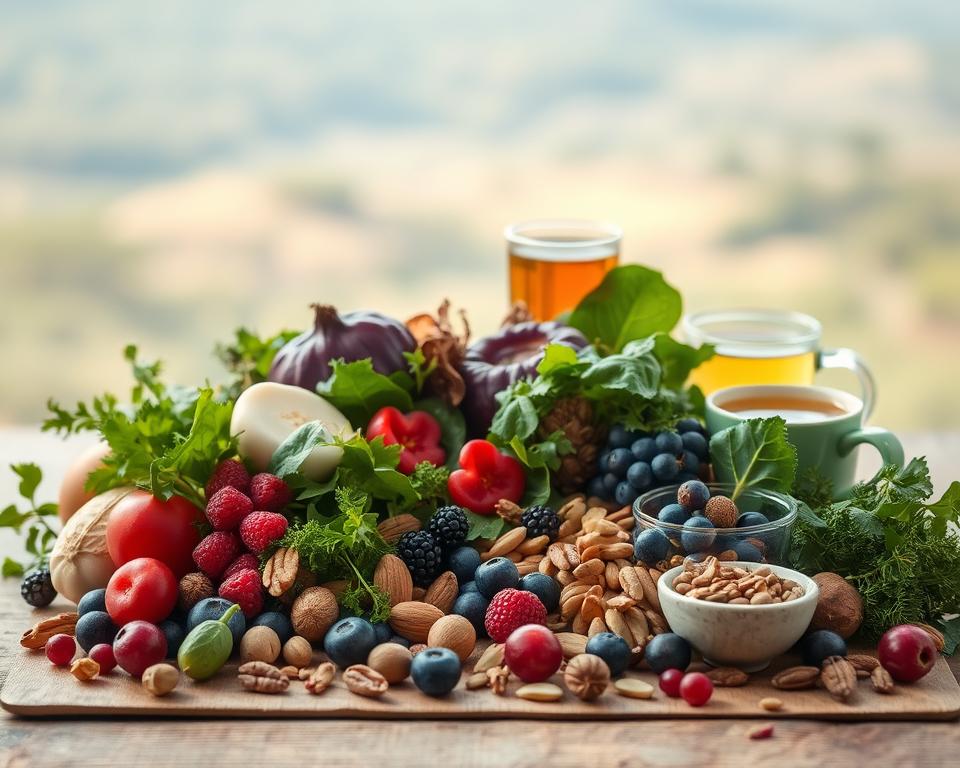
Drinking enough water is also vital. It keeps you performing well and helps your body recover after exercise. Try to drink at least eight glasses a day, more if you're active or in a hot place.
In the luteal phase, your body gets hotter and you might feel thirstier. Listen to your body and drink when you need to. Foods like watermelon and cucumbers can also help keep you hydrated.
Adapting your diet to your cycle can improve your workouts. Eating nutrient-rich foods and staying hydrated helps manage symptoms and supports your athletic goals.
Equipment and Gear Considerations for Period Training
As a female athlete, picking the right gear for period training is key. It's important for comfort and performance. The right equipment helps you keep up with your workout routine during your period.
Choosing the right period products is a big deal. Tampons or menstrual cups made for sports offer comfort and security. They let you move freely without fear of leaks. Menstrual cups are a favorite among athletes because they last long and prevent leaks during intense activities.
Wearing comfy, moisture-wicking clothes also boosts your performance and comfort. These clothes manage sweat and prevent chafing, which is annoying during menstruation. With the right gear, you can train without distractions, keeping your menstrual health in check while reaching your athletic goals.
Being ready with the right equipment lets you keep up with your workout routine, even on your period. Using period-friendly products and comfy clothes in your training improves your performance and comfort. This way, your menstrual cycle won't stop you from achieving your athletic goals.
When to Seek Medical Help: Beyond Normal Period Symptoms
As a female athlete, knowing when to seek medical help is key. Some discomfort during your period is normal. But, severe symptoms can mean there's a health issue that needs attention.
What are "severe" symptoms? Debilitating cramps that stop you from doing daily activities or training are a sign to see a doctor. Also, heavy bleeding for days or big changes in your cycle are warning signs.
Keeping your menstrual health in check is vital for your well-being and fitness. If you notice unusual changes or symptoms, get medical help. Your doctor can find out what's causing your menstrual issues.
Severe Symptoms and Underlying Conditions
Conditions like endometriosis or PCOS can cause severe symptoms. If you're diagnosed with one, working with your doctor is essential. You might need to change your training, diet, or try treatments.
Being proactive about your menstrual health helps you perform better in sports. Remember, your health is as important as your training. Getting medical help when needed is a big part of staying healthy.
Conclusion: Embracing Your Cycle as Part of Athletic Life
As a female athlete, knowing your menstrual cycle is key to better training. You can adjust your workouts to fit your body's changes. This helps improve your performance and health.
Being aware of your cycle lets you tailor your training. It's a way to listen to your body and improve your athletic goals. This approach also helps you have a better relationship with your body.
Seeing your menstrual cycle as part of your athletic journey empowers you. Every woman's experience is different. It's important to listen to your body and adjust your training as needed.
FAQ
Can I exercise while on my period?
Yes, exercising during your period is safe. It can help with symptoms like cramps and bloating. Just listen to your body and adjust your workout as needed.
How does my menstrual cycle affect my athletic performance?
Your menstrual cycle can affect your performance. Hormones like estrogen and progesterone change, impacting energy and strength. Knowing these changes can help you train better.
What are some tips for training during my period?
To train well during your period, keep a regular workout schedule. Use gear that's good for periods and eat right to manage symptoms. Paying attention to how your body reacts to exercise helps plan your workouts.
Are there specific nutrients that can help with menstrual symptoms?
Yes, nutrients like complex carbs, omega-3s, and iron can help with symptoms. Drinking lots of water is also key, even more so when you're training hard.
How can I manage cramps and fatigue during my period?
To manage cramps and fatigue, mix exercise, nutrition, and rest. Yoga can help with cramps, and a balanced diet keeps your energy up.
What kind of gear is best for period training?
For period training, choose the right period products and wear comfy, moisture-wicking clothes. This helps you perform better and feel less discomfort.
When should I seek medical help for menstrual symptoms?
If you have severe symptoms like really bad cramps, heavy bleeding, or big changes in your cycle, see a doctor. They can check for any health problems.